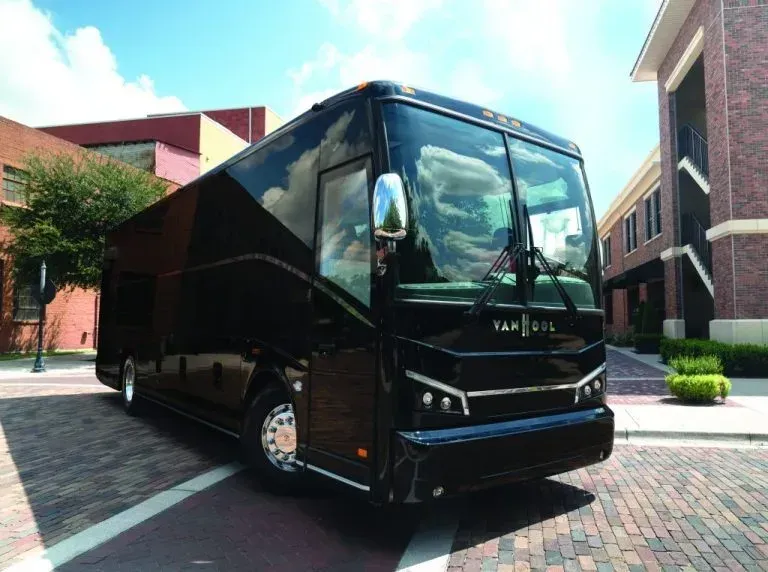
Arranging transportation for a large group can quickly grow into a complex assignment when multiple schedules, pickup logistics, and travel expectations come into play. Whether the occasion is a professional meeting, family event, social outing, or special gathering, coordinating punctual arrivals requires thoughtful organization. A properly planned transportation approach helps minimize confusion, decrease delays, and provide a more enjoyable experience for all participants. By mastering the important elements of coordinating group transportation, planners can deliver a smooth and organized travel experience from start to finish.
When sizeable groups travel collectively, transportation serves a purpose beyond merely moving passengers between destinations. It contributes meaningfully to the success of the overall experience. Well-managed coordination assists with maintaining schedules, encouraging communication, and creating a more pleasant travel experience. At A1 Quality Express Limousine, we believe organized transportation services play a vital role in helping groups travel with ease and peace of mind.
Start Planning Transportation Well in Advance
Reliable group transportation starts with thoughtful preparation ahead of time. Late planning can reduce transportation choices and make it more difficult to satisfy group requirements. Planners should start by identifying passenger counts, travel schedules, anticipated departure times, and destination needs. Obtaining these details early helps establish a dependable framework for organizing transportation that supports the overall itinerary.
Forward-thinking preparation allows planners to detect issues before they become significant problems. Transportation arrangements can be affected by traffic conditions, event timelines, pickup coordination, and accessibility requirements. Considering these details beforehand enables planners to design transportation strategies that improve efficiency. Extensive preparation typically helps create smoother transportation experiences and minimizes unexpected challenges.
Evaluate Group Size and Travel Requirements
One of the tour bus rental most important steps in coordinating transportation for large groups is understanding the group's size and specific requirements. Correct passenger totals help planners choose suitable vehicles while avoiding capacity-related issues. Attendance estimates should be confirmed early and adjusted as necessary as arrangements progress.
Apart from determining group size, attention should be given to the unique needs of participants. Travelers may have varying requirements, including extra luggage space or specialized support services. Recognizing these requirements helps transportation plans be tailored appropriately. Carefully gathering complete information contributes to a more efficient and enjoyable travel experience for all participants.
Develop a Comprehensive Transportation Schedule
A structured transportation timetable acts as a blueprint for all participants. Planners need to map out departure schedules, pickup points, travel time estimates, arrival targets, and designated stops. A precise itinerary reduces ambiguity and helps every participant stay informed about their responsibilities. Strong consistency and clear planning are vital when organizing transportation for bigger groups.
Communication is a key factor in ensuring schedules work effectively. All passengers should be provided with transportation information prior to the event. Sharing travel details through various platforms helps keep everyone aligned. Well-defined expectations contribute to smoother and more efficient transportation execution.
Implement Central Pickup and Drop-Off Areas
Coordinating multiple pickup locations can make group transportation more complex than needed. Organizers should prioritize centralized locations whenever practical for easier coordination. Combining meeting points simplifies boarding procedures and reduces delays from multiple stops. It contributes to clearer communication and better operational performance.
Central meeting points also help ensure all travelers are accounted for prior to departure. Group leaders can verify attendance, distribute updates, and answer questions before the journey begins. This method supports preparedness and keeps transportation operations on track. Clear designated points strongly support a coordinated travel process.
Prioritize Clear Communication Throughout the Process
Reliable communication is essential for successful transportation management. Participants must be kept informed of schedules, instructions, and any adjustments. Providing precise details helps avoid confusion and improves readiness. Good communication improves operational flow and traveler satisfaction.
Planners should create stable communication channels for ongoing updates. Messaging platforms, email alerts, and assigned contacts help distribute information efficiently. Communication remains the core element that maintains alignment within transportation planning. Ongoing communication supports confidence and limits disruptions.
Plan for Unexpected Circumstances
Carefully structured transportation plans can still be affected by unexpected events. Conditions such as weather, traffic, timing changes, and delays may demand immediate action. Flexibility within planning improves the ability to handle sudden changes. Proper preparation helps maintain stability despite evolving circumstances.
Contingency strategies should include backup plans, route alternatives, and key decision contacts. Having clear processes reduces pressure and improves response organization. Forward planning ensures transportation continues smoothly even when changes are required.
Prioritize Traveler Comfort and Ease
Passenger comfort is essential to a positive transportation experience. Large groups often spend extended periods traveling together, making convenience and comfort important considerations. Comfortable seating, organized boarding procedures, and a well-managed travel environment help create a positive atmosphere throughout the journey. A comfortable journey helps travelers arrive refreshed and ready.
Convenience also contributes to successful transportation coordination. Simplified processes help avoid confusion and delays for passengers. Thoughtful coordination allows travelers to enjoy the event freely. A well-organized journey enhances the success of the entire event.
Engage Professional Transportation Specialists
Group transportation involves multiple moving components, making professional assistance highly valuable. Expert providers are capable of handling schedules and coordinating group movement effectively. Their skills assist in managing logistics while keeping operations organized.
Professional providers contribute valuable knowledge that strengthens organization. Their experience with group travel helps them anticipate issues and suggest effective solutions. By leveraging professional experience, organizers can focus on the event itself while transportation logistics are managed with attention to detail and care.
Make Transportation an Extension of the Event
Transportation should be viewed as an extension of the event rather than simply a method of travel. Organized transportation helps passengers enjoy and engage before the event begins. Effective transportation planning improves the overall experience and fosters a professional atmosphere.
At A1 Quality Express Limousine, we believe effective group transportation starts with careful planning, clear communication, and dedication to passenger satisfaction. Group transportation becomes manageable when structured methods are followed. Strong organization and preparation create smooth journeys that support event success. We take pride in offering transportation solutions that support confident and stress-free travel.
Comments on “How to Arrange Group Transportation for Seamless Travel Experiences”